Verona Card 24 vs 48 Hours: Which One Should You Buy?
Verona Card 24 vs 48 hours, decided: a break-even framework, side-by-side table, and traveler profiles so you pick the right tier before you buy.
On this page
Verona Card 24 vs 48 Hours: A Decision Framework for Your Trip
Last updated September 2026: the Verona Card 24 vs 48 hours decision comes down to how many paid sites you plan to enter. Day-trippers and one-night stays typically do better with the shorter card, while two-day sightseers usually get more value from the 48-hour version. This guide compares both tiers with a decision framework, a side-by-side table, and traveler profiles for each option.
Free guide: Is the City Pass Worth It?
Our quick-decision checklist for European city passes — the value math, what to watch for in the fine print, and when paying per attraction beats the pass.
Verona Card 24 vs 48 Hours: The Quick Answer
Pick the 24-hour Verona Card for a single overnight stay, a day trip from Milan or Lake Garda, or a light itinerary built around two or three headline sites. The 48-hour version suits a two-night stay, a dense sightseeing pace, or a first visit where you want slack for a late arrival. That extra tier costs more, but it buys a second day to spread entries across two mornings instead of one sprint. Everything below breaks down the reasoning, so you can match the card to your pace instead of defaulting to the pricier option.
What's the Same on Both Verona Card Tiers
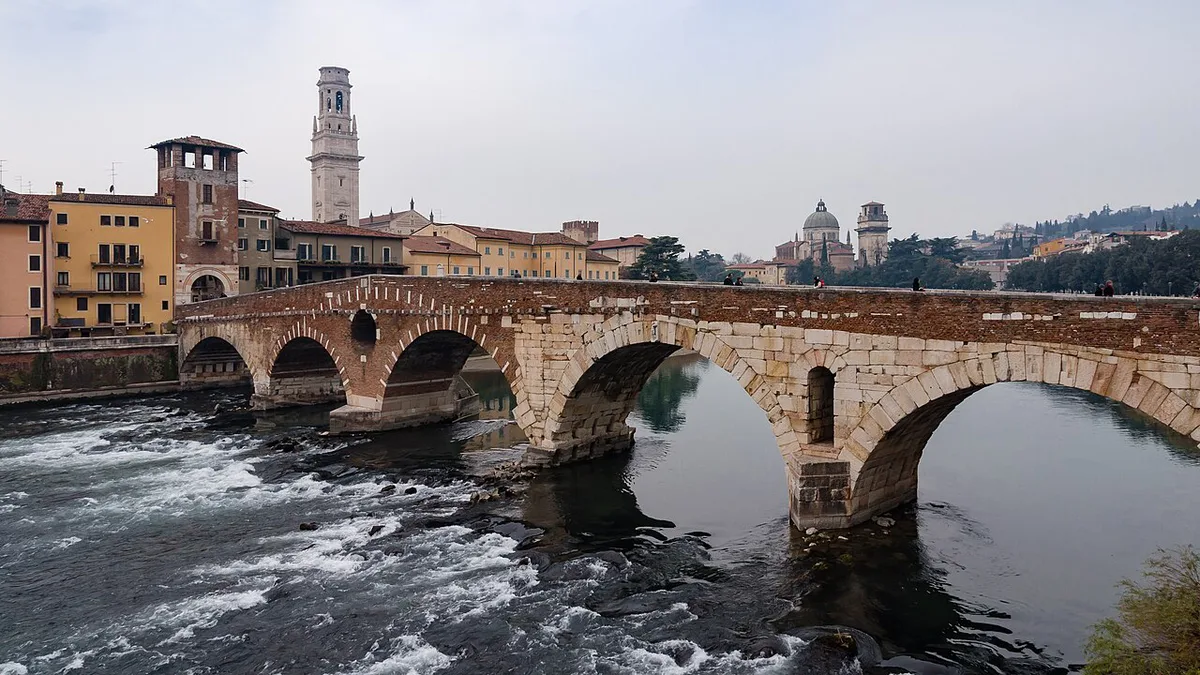
Both the 24-hour and 48-hour Verona Card unlock the same list of sites, described in full on the Verona Card pillar guide. Neither tier changes which churches, towers, or museums you can enter; only the clock duration differs. Ticket lines and entry procedures also stay the same across both tiers, so the only real planning variable is how many hours you have to use them. Duration is the single variable between the two options, which is why the decision comes down to pace and trip length rather than site selection.
How to Decide: Trip Length, Pace, and Attraction Count
Six factors decide which Verona Card tier fits your trip, and none of them require guessing at a fixed break-even number. Work through them in order, since the first two usually settle the decision on their own.
Multi-site itineraries at €28-€38 for the 48-hour card justify the upgrade for two-night stays where you plan churches, towers, and museums without rushing between sites.
- Trip length in Verona: a same-day or single overnight stay rarely needs the second day.
- Number of paid attractions planned: churches, the Arena, towers, and museums each count toward the total. More stops shift value toward 48 hours. See the Verona Card attractions guide for the full list.
- Arrival time: a late-afternoon start wastes card hours on the 24-hour option. A late arrival is a reason to consider 48 hours, or to activate the next morning instead.
- Pace and travel style: dense sightseeing favors the longer card, while leisurely wandering with two or three key sites doesn't.
- Onward itinerary: travelers continuing to Venice, Lake Garda, or Milan the same day often don't need 48 hours regardless of attraction count.
- Public transport needs: whether either tier includes city buses is not yet confirmed. Check the official Verona Card source if bus access affects your plan.
Verona's Compact Center Changes the Math
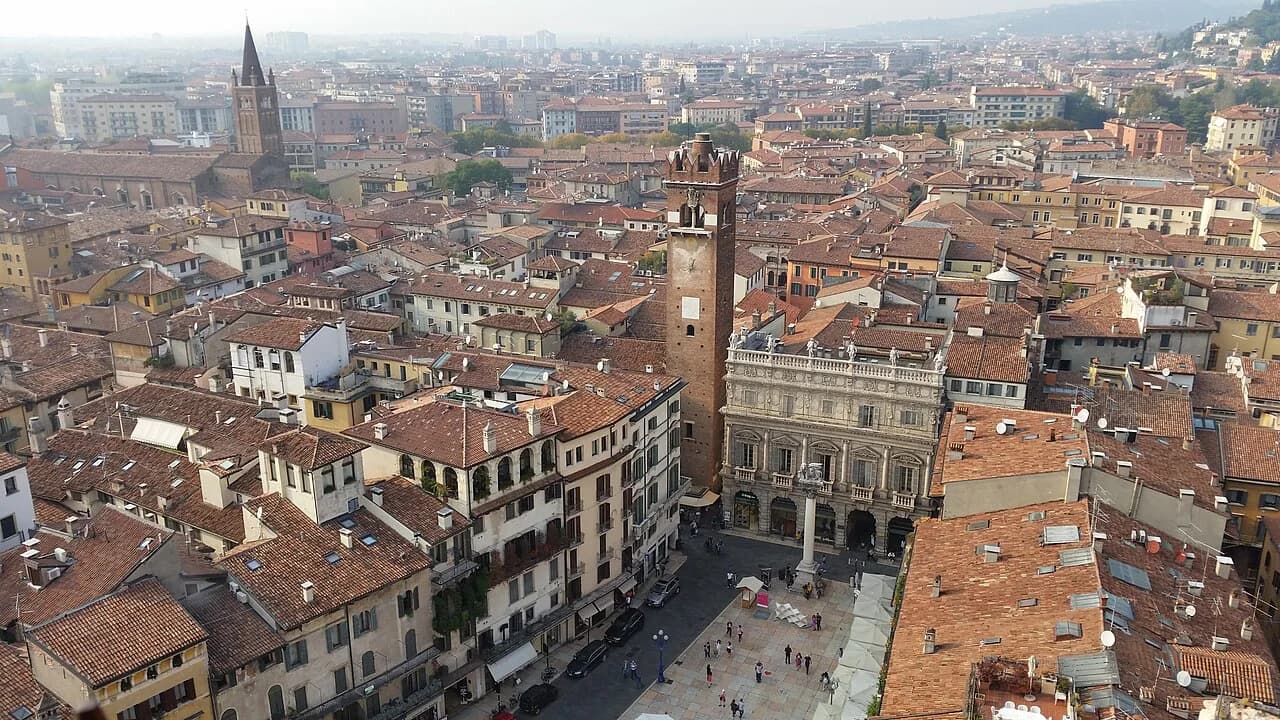
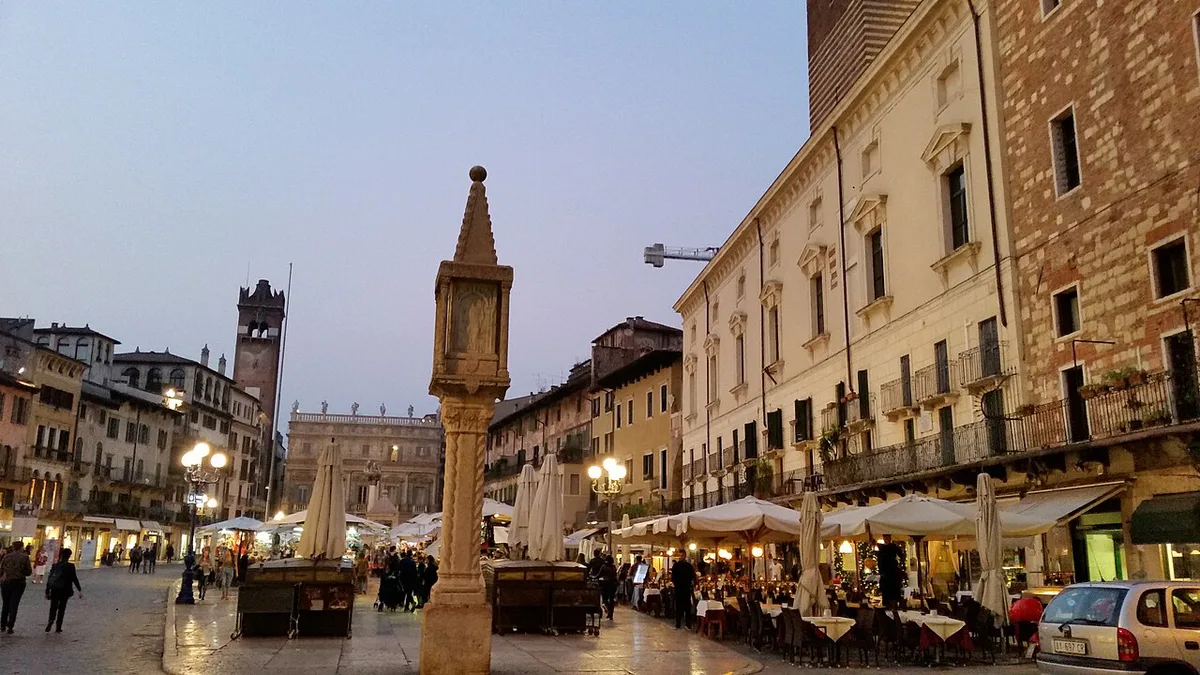
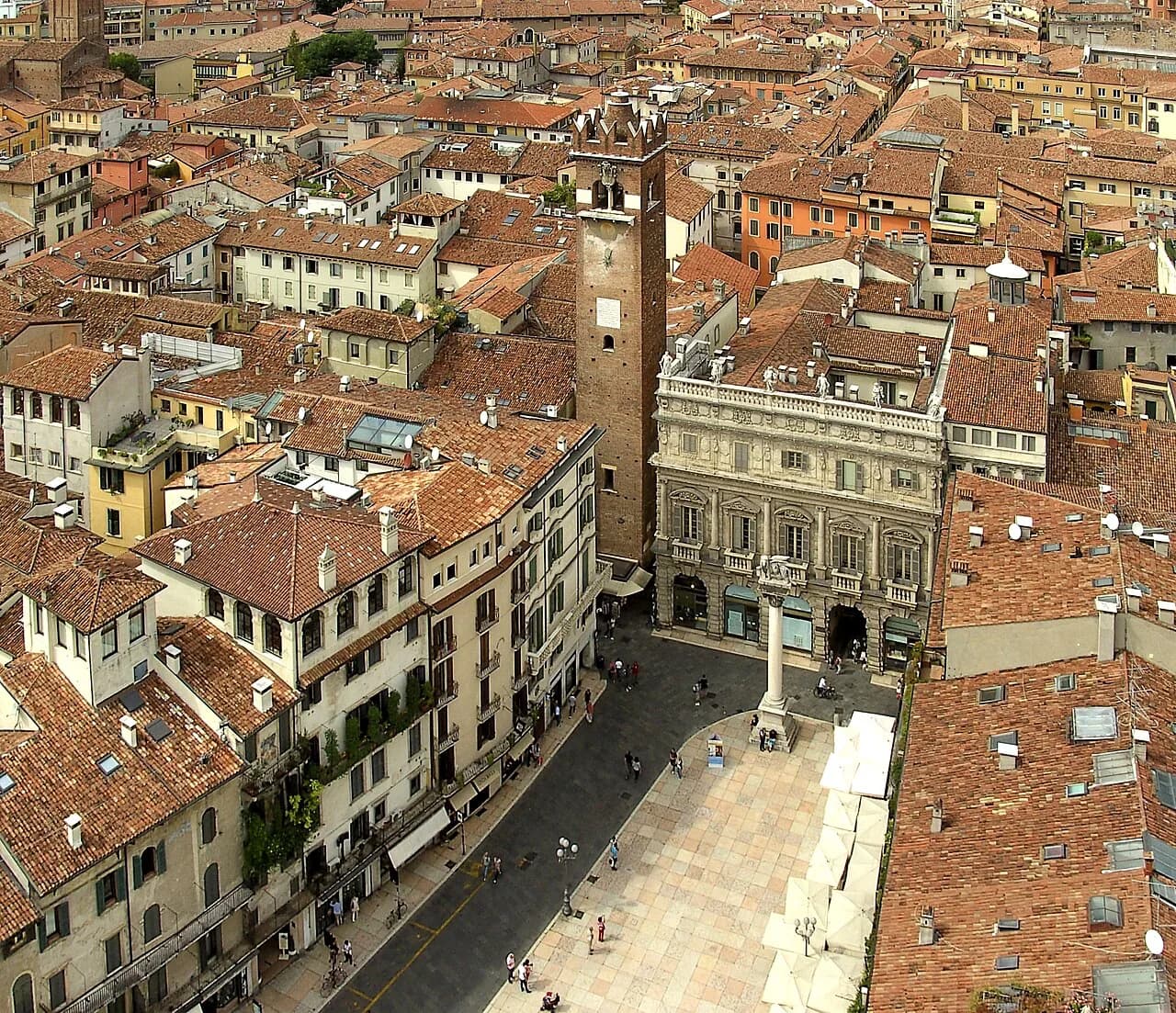
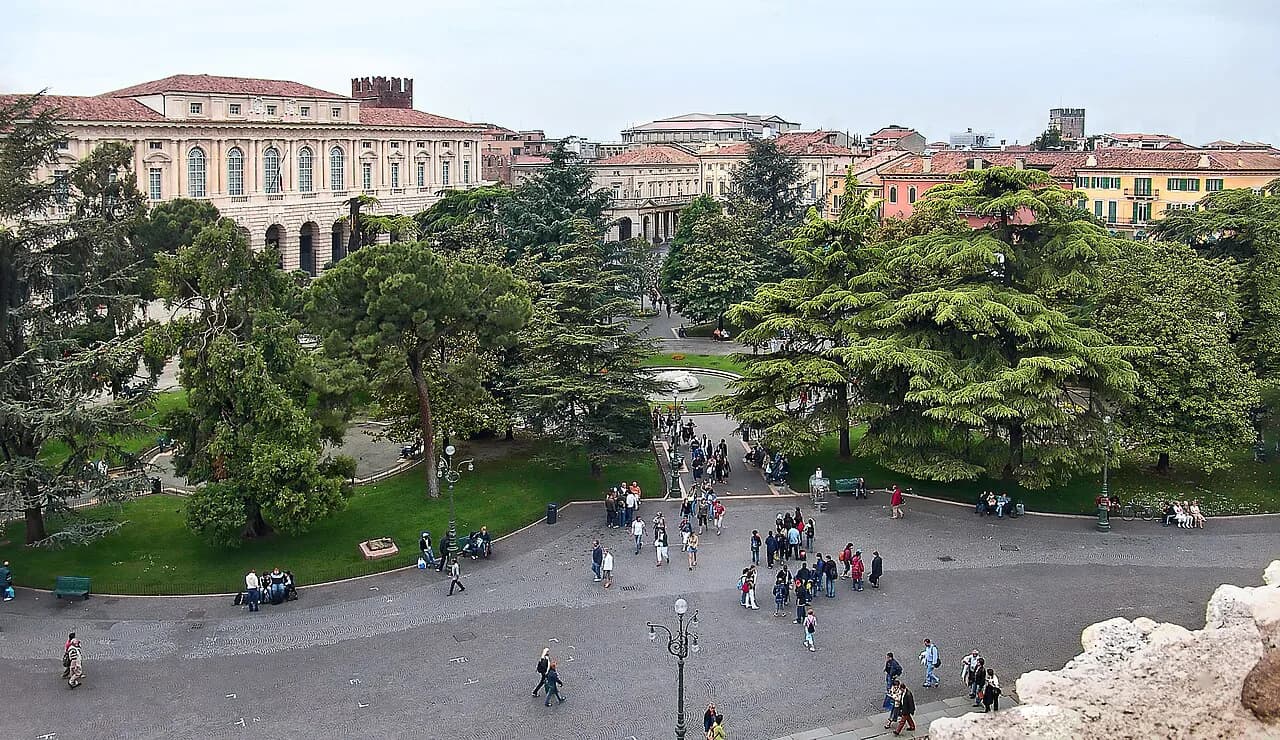
Verona's historic core sits inside a small loop of the Adige River, with Piazza Bra, Piazza delle Erbe, and most headline sites within a short walk of each other. That density matters for this decision because a 24-hour card can realistically cover more ground here than the same card would in a sprawling city. Walking between the two piazzas takes minutes, not a transit connection. A traveler who plans a tight loop through the two piazzas and the riverbank paths can often finish a full sightseeing day without needing the second day a larger city might require.
Sample One-Day vs Two-Day Sightseeing Shapes
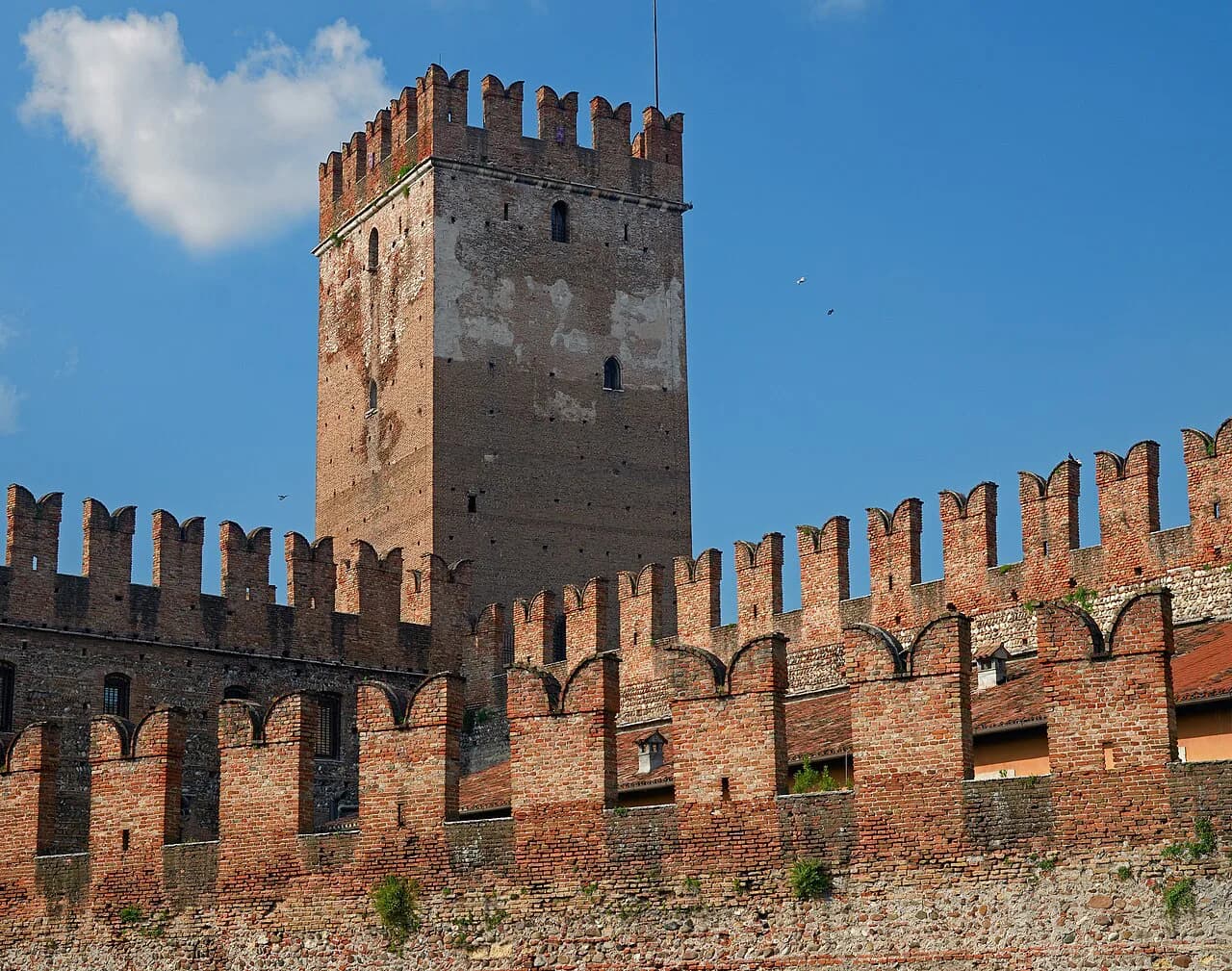
A 24-hour itinerary typically threads together three or four headline stops. Piazza Bra and the Arena anchor the morning, Piazza delle Erbe and the surrounding lanes fill the afternoon, and a climb up Torre dei Lamberti caps the day before the card expires. A 48-hour itinerary spreads the same stops across two mornings. It adds room for Castelvecchio, a slower walk along the Adige riverbanks, and a second church or museum the 24-hour version would force you to skip. Splitting the two days this way avoids cramming a two-day list into a single card window.
If You're Continuing to Venice, Lake Garda, or Milan
Verona sits between Milan, Lake Garda, and Venice on many itineraries, and that position changes the calculus for the card. Travelers using Verona as a one-night stop between Lake Garda and Venice usually have only a single evening and morning free for sightseeing anyway, which matches the 24-hour card's window closely. Continuing onward the same day you arrive removes the second day from the equation entirely, so the 48-hour card would sit partly unused. Only travelers staying in Verona itself, not just passing through, tend to get full value from the longer tier.
24-Hour vs 48-Hour Verona Card at a Glance
Use this table to compare both tiers before reading the full traveler profiles below. Figures reflect typical 2026 short- and long-tier city-pass pricing bands in Italy; confirm Verona's exact current euro amount before booking.
Day-trippers covering core sites like the Arena, Piazza delle Erbe, and Torre dei Lamberti can do it at €20-€28 for the 24-hour card without needing the pricier 48-hour tier.
| Factor | 24-Hour Card | 48-Hour Card |
|---|---|---|
| Price | Roughly €20-€28 (typical short-tier city-pass range) - confirm Verona's exact rate before booking | Roughly €28-€38 (typical longer-tier range) - confirm Verona's exact rate before booking |
| Effective sightseeing window | Shorter window; a late-afternoon arrival loses hours | Full two days; absorbs a late start |
| Best for | Day-trippers, single-overnight stays, light itineraries | Two-night-plus stays, dense sightseeing, first-time visitors wanting slack |
| Break-even logic | Fewer paid sites needed relative to price | Pays for itself once paid-site count and hours cross the price gap |
| Transport inclusion | Not yet confirmed - check official source | Not yet confirmed - check official source |
| Purchase points | Tourist office, participating sites, online (confirm which are currently active) | Same purchase points as the 24-hour tier |
Choose the 24-Hour Card If...
A single overnight stop between Venice and Lake Garda is the clearest case for the 24-hour card, since your available sightseeing hours already fit inside one day. Day-trippers arriving from Milan on a morning train and departing that evening rarely need a second day either. Travelers combining Verona with a longer Venice or Lake Garda itinerary typically get full value from the shorter tier. Business travelers with a single free afternoon between meetings fit this profile too, since they rarely have two consecutive days free for sightseeing. If your list is short, two or three headline sites plus a walk through Piazza delle Erbe, the 24-hour card usually covers it.
Choose the 48-Hour Card If...
Two-night stays with a full second day of sightseeing justify the 48-hour card most clearly. First-time visitors who want slack for a late-afternoon arrival benefit too, since the extra day absorbs lost hours instead of racing the clock. Anyone planning to enter several churches, climb Torre dei Lamberti, and add the Arena or Castelvecchio in one visit is likely to cross the value line the longer tier is built for. Families balancing nap schedules or slower kids also benefit, since the extra day removes pressure to hit every site back to back. A slower pace, wandering the Adige riverbanks and Piazza Bra without a fixed checklist, also favors the longer card.
Activation, Purchase, and Transport: What to Confirm
Many multi-day city cards activate at first use rather than at purchase. The Verona Card is generally described the same way, though you should confirm the exact rule before buying. That timing matters most for late arrivals, since an activation you can delay until the next morning effectively extends the 24-hour tier. Purchase points typically include a short list, though you should confirm which are currently active before you arrive.
- Tourist office (confirm current location and hours)
- Participating sites and museums
- Online purchase (confirm whether this changes activation timing)
Closures and Transport to Check Before You Activate
Closures also matter. Some headline sites in Verona close on specific days or for events, which can eat into either tier's usable hours. Check current hours for the Arena, Torre dei Lamberti, and Castelvecchio before you activate, since the Arena di Verona can shift its own visiting hours around performance nights. A closure on your one sightseeing day changes the math more for the 24-hour card than for the 48-hour one. Whether either tier includes city buses hasn't been confirmed for this guide, so treat transport as a separate cost until you check the official source. For general transport planning across the wider region, the Veneto region tourism site is a useful reference while you confirm the card's own inclusion.
Where the Verona Card Fits Among Italy's City Passes
Verona's two-tier structure, a shorter card for light itineraries and a longer one for dense sightseeing, matches how most Italian city passes are built. That structure rewards planning your site list before you buy, rather than defaulting to the longer, pricier tier out of caution. Travelers who only want one or two sites might skip a card entirely and buy single tickets instead, a trade-off covered in the city pass vs museum card comparison. See the city passes in Italy overview for how other cities structure similar trade-offs. Travelers adding Florence to the same trip can check the Firenze Card vs Go City Florence comparison for that city's version of the same choice. If you're still unsure whether a card beats paying per site, the Verona Card worth-it breakdown covers that decision directly.
Frequently Asked Questions
Is the 48-hour Verona Card worth the extra cost?
It's worth it once your paid-site count and total sightseeing hours would otherwise force you to rush through the list in a single day. A two-night stay with several museums, towers, or churches on the plan usually crosses that line. A light itinerary with two or three sites and a single overnight rarely does.
Does the card clock start when I buy it or when I first use it?
Multi-day city cards like this one generally start the clock at first use rather than at purchase. Confirm this rule directly with the Verona Card point of sale before you buy. A delayed activation can effectively stretch a 24-hour card into a later start the next day.
Can I upgrade from 24 to 48 hours after purchase?
This isn't confirmed publicly as of this guide's last update, so ask directly at the purchase point before assuming you can switch tiers later. Buying the tier that matches your actual plan up front avoids the question entirely.
Does the Verona Card include public transport?
Transport inclusion for either tier isn't confirmed here, so check the official Verona Card source before counting on it for city buses. Budget for separate bus fare unless you can confirm it's included.
What's the best option for a one-night stay in Verona?
The 24-hour card usually fits a one-night stay best, especially if you activate it after checking in rather than the moment you arrive. That timing gives a full day of sightseeing instead of losing hours to a late-afternoon check-in.
Free guide: Is the City Pass Worth It?
Our quick-decision checklist for European city passes — the value math, what to watch for in the fine print, and when paying per attraction beats the pass.
You might also like
Continue reading
More guides you'll find useful