Ghent City Card vs. Brussels Card: Which Pass Is Worth It? (2026 Guide)
Weighing the Ghent City Card vs Brussels Card for your Belgium trip? Compare transport, boat tours, and museum access to see which pass wins.
On this page
Ghent City Card vs. Brussels Card: Comparison and Value Guide
Last updated August 2026, this Ghent City Card vs Brussels Card comparison weighs two very different pass designs. Ghent's CityCard bundles De Lijn public transport, a Leie canal boat tour, and entry to Gravensteen and the Belfry into one price. The Brussels Card works differently, pairing a base museum pass with optional transport or hop-on-hop-off add-ons.
Free guide: Is the City Pass Worth It?
Our quick-decision checklist for European city passes — the value math, what to watch for in the fine print, and when paying per attraction beats the pass.
Quick Verdict: Ghent City Card vs. Brussels Card
Deciding between these two passes depends on where you're sleeping and what you plan to do each day. Travelers spending a night or two in Ghent get more from the CityCard Gent. It bundles De Lijn transport, a Leie canal boat tour, and bike rental into one purchase. Museum-focused travelers based in Brussels for several days get more from the Brussels Card instead. Its strength is volume — access to dozens of museums and attractions rather than transport or tours. A short one-day stop in either city may not need a card at all, since two or three entry fees rarely add up to a full-tier price. Both passes reward advance planning, since matching card length to your actual itinerary is where most of the savings live. Neither pass covers the other city, so treat this as two separate decisions rather than one combined purchase. For a wider comparison across the region, see this Belgium city pass comparison.
- CityCard Gent wins for: overnight stays in Ghent, families wanting a boat tour and castle visit bundled together, travelers who'd otherwise pay for trams separately.
- Brussels Card wins for: museum-hoppers, art and history travelers, anyone visiting three or more museums in a single day.
At a Glance: Comparison Table
Here's a side-by-side snapshot before the deeper breakdown below. Treat the price ranges as directional, since both operators adjust rates year to year. Confirm current figures on the CityCard Gent pricing page or the official Brussels Card site.
| Feature | CityCard Gent | Brussels Card |
|---|---|---|
| 48-hour price | roughly €40–€48 | roughly €43–€53 |
| 72-hour price | roughly €47–€55 | roughly €53–€63 |
| Public transport | Included (De Lijn) | Add-on only (STIB or hop-on-hop-off bus) |
| Boat tour | Included (Leie canal) | Not included |
| Top attractions | Gravensteen, Belfry, STAM, MSK, SMAK | 30+ museums and attractions, Atomium discount |
| Purchase / pickup | Visit Gent information points | Brussels Info Place (Rue Royale 2) or Grand Place town hall |
| Format | Digital or physical | Digital voucher or physical pickup |
CityCard Gent: The All-in-One Approach
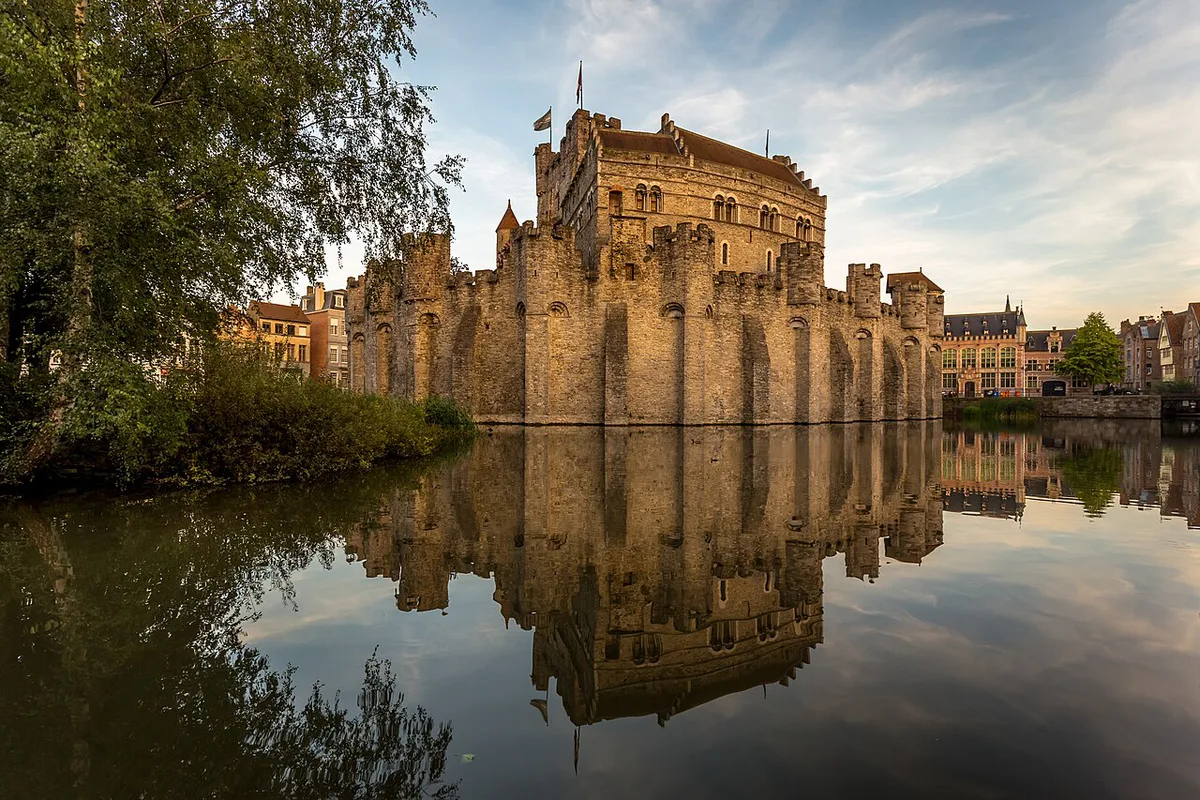
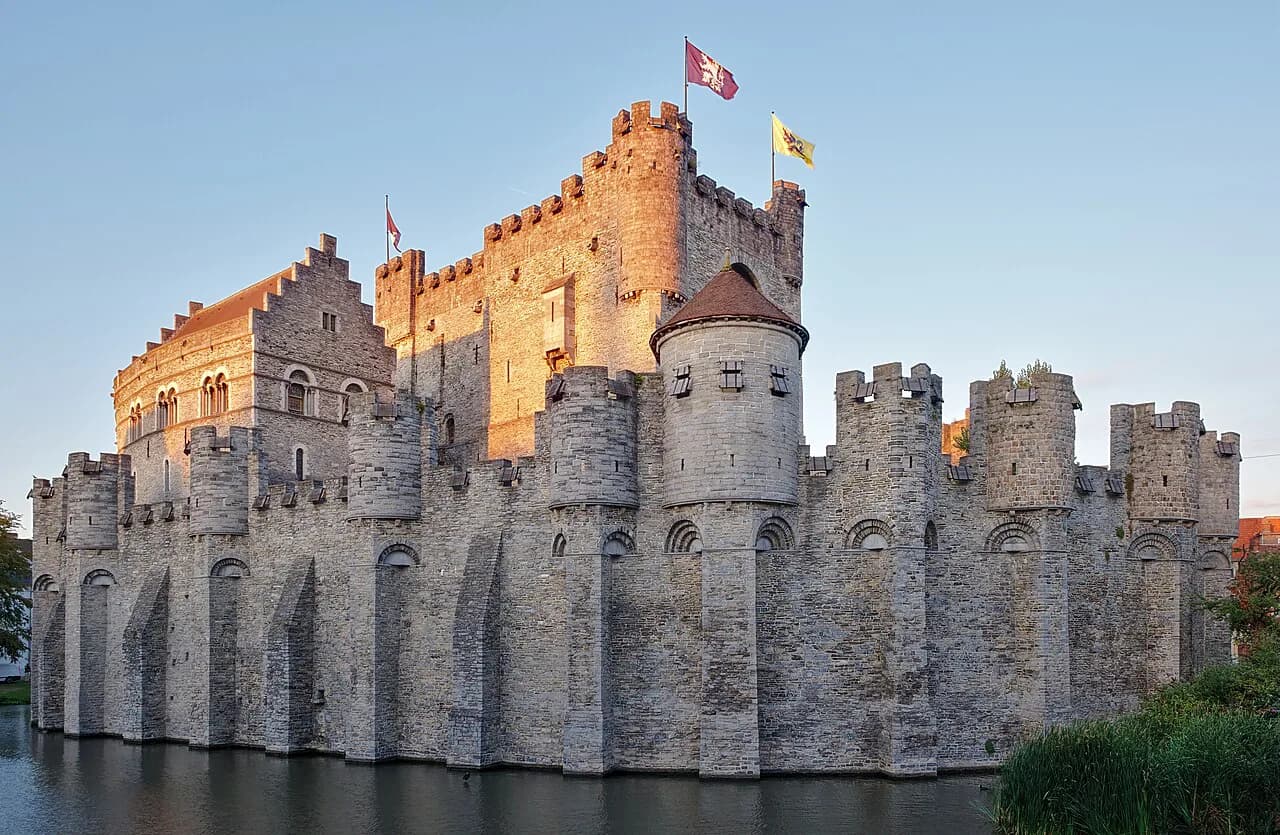
CityCard Gent operates as a single bundle rather than a stack of add-ons. One purchase covers De Lijn public transport within Ghent, a Leie canal boat tour, and bike rental for getting between sights. Included attractions span Gravensteen, known as the Castle of the Counts, plus a Belfry tower climb. Gravensteen is the moated medieval castle at the heart of Ghent's historic center. The Belfry tower climb offers views over the historic core, adding a second landmark to the same flat price. Three museums are covered too: STAM, MSK, and SMAK. Sint-Baafskathedraal is also included, home to the Adoration of the Mystic Lamb altarpiece. Ghent's transit network runs on De Lijn, Flanders' regional operator, covering trams and buses through the historic core. This combination means visitors rarely pay separately for a single sight or a single tram ride during the card's validity window. Visit Gent's official tourism site lists current opening hours for these sights, since several close on Mondays. For the complete rundown of what's covered, see the full list of included Ghent attractions. Start with the CityCard Gent overview if you're comparing tiers first.
- Gravensteen (Castle of the Counts)
- Belfry tower climb
- STAM, MSK, and SMAK museums
- Sint-Baafskathedraal and the Adoration of the Mystic Lamb
- Leie canal boat tour and bike rental
- De Lijn public transport within Ghent
Brussels Card: The Modular Museum Pass
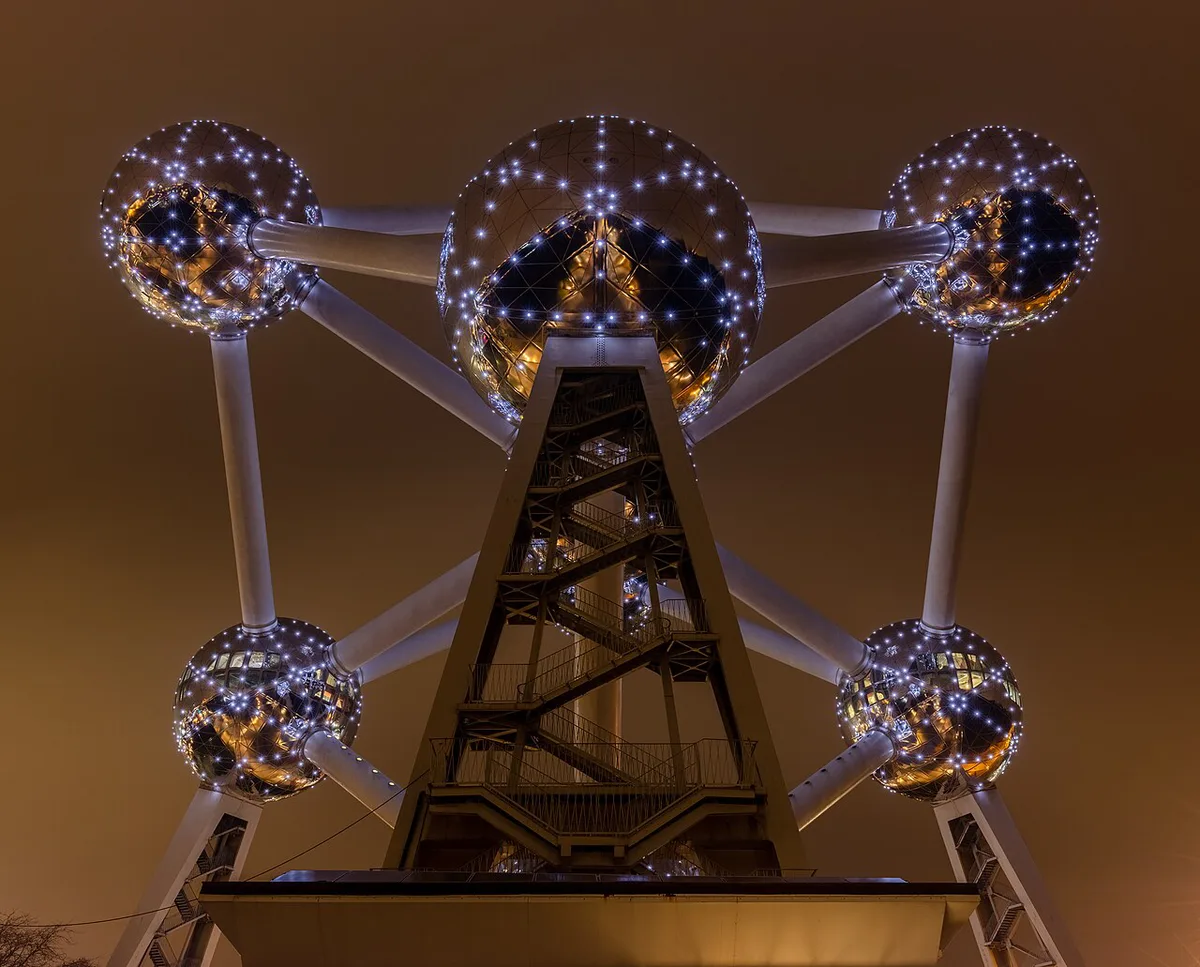
Unlike CityCard Gent, the Brussels Card starts as a museum-only pass, then lets you add transport separately. Its base tier gives free entry to more than 30 museums and attractions, with some official listings counting upward of 40 depending on participating partners. Landmarks like the Atomium and Mini-Europe are discounted, not free, on the base card. Two optional upgrades exist. One upgrade, Brussels Card plus hop-on-hop-off bus, adds unlimited sightseeing-bus rides for the card's full validity. Another upgrade, Brussels Card plus public transport, covers STIB buses, trams, and metro lines instead. Choosing between the two add-ons comes down to walking tolerance. Pick the transport add-on if you plan to cover ground quickly. Pick the hop-on-hop-off bus if you'd rather sightsee from a seat. Brussels' network runs on STIB-MIVB, covering metro, tram, and bus lines across downtown and beyond. Every tier includes a printed city map and a guide booklet listing participating museums, restaurants, and shops. After buying online, exchange the confirmation voucher at the Brussels Info Place on Rue Royale 2. Grand Place town hall houses a second pickup point at the Visit Brussels counter. For the museum list and current tiers, check the Brussels Card guide. Chocolatiers and restaurants near Grand Place also appear as discount partners on the official Brussels Card site.
- Free entry: 30+ museums and attractions, up to 40 on some listings
- Discounted, not free: Atomium, Mini-Europe
- Add-on options: hop-on-hop-off bus pass, or STIB public transport pass
- Included with every tier: city map, guide booklet
Where the Two Passes Overlap
Neither pass duplicates its home city, but the Brussels Card extends a few discounts outward. Its discount list includes tours and excursions toward Bruges and Ghent, alongside savings at chocolatiers, shops, and restaurants in Brussels. CityCard Gent's savings stay local, since it's built around a single flat price for Ghent-based sights and transport rather than a discount network. That difference matters for how you spend on the ground. Bring the Brussels Card if you want restaurant and shop discounts layered on top of museum entries. Rely on CityCard Gent's flat price if you'd rather skip percentage-off deals entirely.
- Brussels Card discounts: excursions toward Bruges and Ghent, chocolatiers, shops, restaurants.
- CityCard Gent savings: built into one flat price rather than a discount network.
Cost and Time Trade-Offs
CityCard Gent bundles transport and a boat tour by default, so the break-even math is simple. It folds transit rides, a boat tour, and four separate sights into one flat rate. Paying for each individually, even at modest per-attraction prices, typically costs more than the card itself. Brussels Card value scales differently, tracking how many separate museum entries you'd otherwise buy. Visiting three or four museums in one day brings the Brussels Card close to matching its own cost. Someone visiting a single museum and walking everywhere else likely loses money on it. For a broader framework on when a paid pass beats paying per attraction, see whether city passes are worth it. Activation differs by format too. Digital vouchers for either card typically start on first scan at an attraction, while physical cards start their clock at pickup. Collect a physical card in the morning if you want a full day's use out of it. Tier length matters more for Brussels than for Ghent.
- 24-hour Brussels Card: fits one packed day near Grand Place.
- 48-hour Brussels Card: fits two moderate museum days.
- 72-hour Brussels Card: only pays off across three full museum days.
Using Both Cards on One Trip
Ghent and Brussels sit close enough that combining both cards is realistic on a longer trip. Direct trains between Ghent-Sint-Pieters and Brussels Central typically run 35 to 50 minutes, depending on the service. NMBS/SNCB runs frequent connections throughout the day between the two stations, so schedule flexibility is rarely the limiting factor. Neither the CityCard Gent nor the Brussels Card covers that train fare. Budget for it separately regardless of which pass or passes you buy. Neither pass covers the Diabolo fee or the train from Brussels Airport in Zaventem into the city center either. On a two-day trip, buying both cards usually means paying for validity hours you never use in one city or the other. Splitting a four-day trip roughly two days per city gives each card enough time to earn back its cost. If Bruges is also on the itinerary, check the 10 Essential Things to Know About the Best Bruges City Pass first. A similar trade-off applies to the Best Antwerp City Pass: 2026 Comparison Guide if you're adding a third stop.
The 72-hour tier costs roughly €53–€63 yet demands three high-intensity museum days to break even—a split two-days-per-city trip rarely justifies it.
Who Each Pass Fits
Matching the pass to the traveler matters more than declaring one card better overall. Household composition, length of stay, and how many museums you actually plan to enter all shift the answer. Solo travelers doing a packed one-day Brussels itinerary often get more value from single higher-traffic entries than from a multi-day card tier. For how these two passes stack up against options in other European cities, see this 10 Best City Passes in Europe: 2026 Comparison Guide roundup.
- CityCard Gent fits: first-time visitors, families wanting the boat tour and castle in one price, travelers staying overnight in Ghent.
- Brussels Card fits: art and history-focused travelers, museum-hoppers doing three or more museums a day, travelers staying near Grand Place for several days.
Common Mistakes to Avoid
A handful of avoidable mistakes account for most of the wasted budget on both passes. Cross-check CityCard Gent pricing against your actual itinerary before you buy, so the math matches how many days and sights you'll really use.
The 24-hour card fits one packed day, but avoid Mondays when many museums close—the card's value hinges entirely on museum access.
- Timing a 24-hour card over a Monday, when many Belgian museums are closed.
- Assuming the Brussels Card includes transport by default; the base tier is museums only.
- Buying a 72-hour card for a one-day visit and never using the extra hours.
- Expecting either pass to cover the Diabolo fee or the airport train from Zaventem.
- Forgetting that neither card covers the Ghent-Brussels train fare between the two cities.
- Assuming CityCard Gent's boat tour and bike rental run on the same schedule as museums; check each activity's own operating hours separately.
Frequently Asked Questions
Does the Ghent City Card include public transport?
Yes. CityCard Gent includes De Lijn public transport within Ghent for the card's full validity period. It also includes a Leie canal boat tour and bike rental, both bundled into the same price.
Does the Brussels Card include free entry to the Atomium?
No. The Brussels Card discounts Atomium admission rather than covering it for free. Its base tier focuses on museums, while transport and some landmark discounts sit outside full inclusion.
How long is the train ride between Ghent and Brussels?
Direct trains between Ghent-Sint-Pieters and Brussels Central typically take 35 to 50 minutes, depending on the service. Neither the CityCard Gent nor the Brussels Card covers this train fare, so budget for it separately.
Is it worth buying both the Ghent City Card and the Brussels Card on one trip?
On a short two-day trip, buying both usually means paying for hours you won't use in one city or the other. A four-day trip split roughly evenly between the two cities gives both cards enough time to earn back their cost.
Which museums close on Mondays in Ghent and Brussels?
Closure days vary by venue, so confirm each site's schedule before finalizing a one-day itinerary. Several museums covered by both passes close on Mondays, which can waste a chunk of a 24-hour card if timed poorly.
Can you use a digital voucher instead of a physical card for either pass?
Both cards offer a digital option alongside the traditional physical card. Each activates on first use, whether you're holding a printed card or a phone screen, so pick whichever format fits your travel style.
Do the Ghent City Card or Brussels Card cover entry into Bruges or Antwerp?
No. Both passes are strictly bound to their home city. The Brussels Card offers discounts, not free entry, on select excursions toward Bruges and Ghent. Check the 10 Essential Things to Know About the Best Bruges City Pass for that city's own coverage. The Best Antwerp City Pass: 2026 Comparison Guide works the same way for Antwerp.
What's the biggest difference between CityCard Gent and the Brussels Card?
CityCard Gent bundles transport, a boat tour, and Ghent's core sights into one flat price. The Brussels Card instead charges for museums and attractions as the default, with transport and bus tours sold as separate add-ons.
Free guide: Is the City Pass Worth It?
Our quick-decision checklist for European city passes — the value math, what to watch for in the fine print, and when paying per attraction beats the pass.
You might also like
Continue reading
More guides you'll find useful