Rome City Pass 3 Days: 2026 Comparison and Itinerary
Rome city pass 3 days options for 2026 compared: Roma Pass, OMNIA Vatican & Rome Card, and Go City Rome pricing, transport, and a day-by-day itinerary.
On this page
Rome City Pass 3 Days: Roma Pass, OMNIA, or Go City?
Last updated July 2026, this rome city pass 3 days guide compares the Roma Pass, the OMNIA Vatican & Rome Card, and Go City Rome. Each pass bundles transport, museum entry, and Vatican access differently, and picking the wrong one can cost a reserved time slot or a wasted transit day. The comparison below covers pricing, the reservation traps at the Colosseum and Galleria Borghese, and a three-day itinerary built around whichever pass fits the trip.
Free guide: Is the City Pass Worth It?
Our quick-decision checklist for European city passes — the value math, what to watch for in the fine print, and when paying per attraction beats the pass.
Rome City Pass 3 Days: At a Glance
Before comparing every detail, here is the short version. These figures reflect published rates and can shift, so confirm current pricing before booking.
- Roma Pass (72-hour): about €58.50, published rate. Includes unlimited ATAC transport and free entry to the first two participating sites.
- OMNIA Vatican & Rome Card (3-day): about €129. Adds Vatican Museums and Sistine Chapel entry plus a hop-on hop-off bus.
- Go City Rome (Explorer or All-Inclusive): pay only for the attractions selected. Check Go City Rome: Is the Pass Worth It in 2026? for current 2026 pricing.
- Airport transfers are not included on any 3-day pass. Budget separately for Fiumicino or Ciampino transport.
- Skip Monday activation. Many state museums and archaeological sites close that day, which cuts into a pass's value.

Rome City Pass 3 Days: Quick Comparison
The three main 3-day options split by what they cover, not by overall savings. Match the pick to the travel style, then check the table for specifics. A fourth option, TurboPass, bundles the Colosseum, Vatican Museums, and transport for a similar three-day window. Prices shift, so confirm current Rome city pass 2026 prices before booking. If a full city pass covers more than needed, a narrower Rome Museum Pass Comparison: Which Card Saves You the Most? may fit better.
Free pass entry and paid reservations are separate. The Colosseum typically charges €2–€4 per person for the mandatory booking slot, so 'free' access requires an additional per-visit fee.
| Pass | 3-Day Price | Transport Included | Vatican Access | Booking Note |
|---|---|---|---|---|
| Roma Pass (72-hour) | ~€58.50 | Yes — unlimited ATAC bus, metro, tram | No | First two sites free; book the Colosseum slot ahead |
| OMNIA Vatican & Rome Card | ~€129 | Yes, plus hop-on hop-off bus | Yes — Vatican Museums and Sistine Chapel | Vatican portion needs separate collection or app activation |
| TurboPass (3-day) | ~€110.90 | Yes, unlimited public transport | Yes — Vatican Museums included | Optional airport transfer add-on |
| Go City Rome (Explorer/All-Inclusive) | Pay-per-attraction | Not included by default | Available as an add-on attraction | Pick attractions ahead; some need timed entry |
- History buffs: Roma Pass. Free Colosseum entry plus one more major site, without paying for Vatican access you may not use.
- All-in travelers: OMNIA Vatican & Rome Card. Roma Pass benefits plus guaranteed Vatican Museums entry in one purchase.
- Flexible planners: Go City Rome. Pay only for the attractions actually on the itinerary.
The 72-Hour Roma Pass: What's Included
The Roma Pass gives free entry to the first two participating museums or archaeological sites visited. Every site after that drops to a discounted rate. The card also includes unlimited ATAC bus, metro, and tram travel for its full validity window. Cardholders get a separate reserved queue at the Colosseum, which cuts wait time at the entrance. Validity runs for three calendar days, not a strict 72 hours from first scan. It expires at 11:59 p.m. on the third day, so an early activation gets more use out of it than a late one. Buy the Roma Pass at tourist information points across Rome, including desks at Fiumicino and Ciampino airports, or at participating museums and monuments. Fill in the activation date on the card the first time it is used, or the first time ATAC transport is used.
The Roma Pass expires at 11:59 p.m. on the third day. Since many state-run museums close Mondays and evening activation wastes a calendar day, early-week afternoon activation maximizes actual access.
- Free entry to the first two participating museums or archaeological sites.
- Discounted entry at every other participating site after that.
- Unlimited ATAC bus, metro, and tram travel within Rome (airport transfers excluded).
- A separate reserved entry queue at the Colosseum.
Notable Sites Covered by the Roma Pass
Dozens of museums and archaeological sites participate in the Roma Pass network at free or discounted rates. A pass also comes with a paper map and a small guide covering the participating attractions.
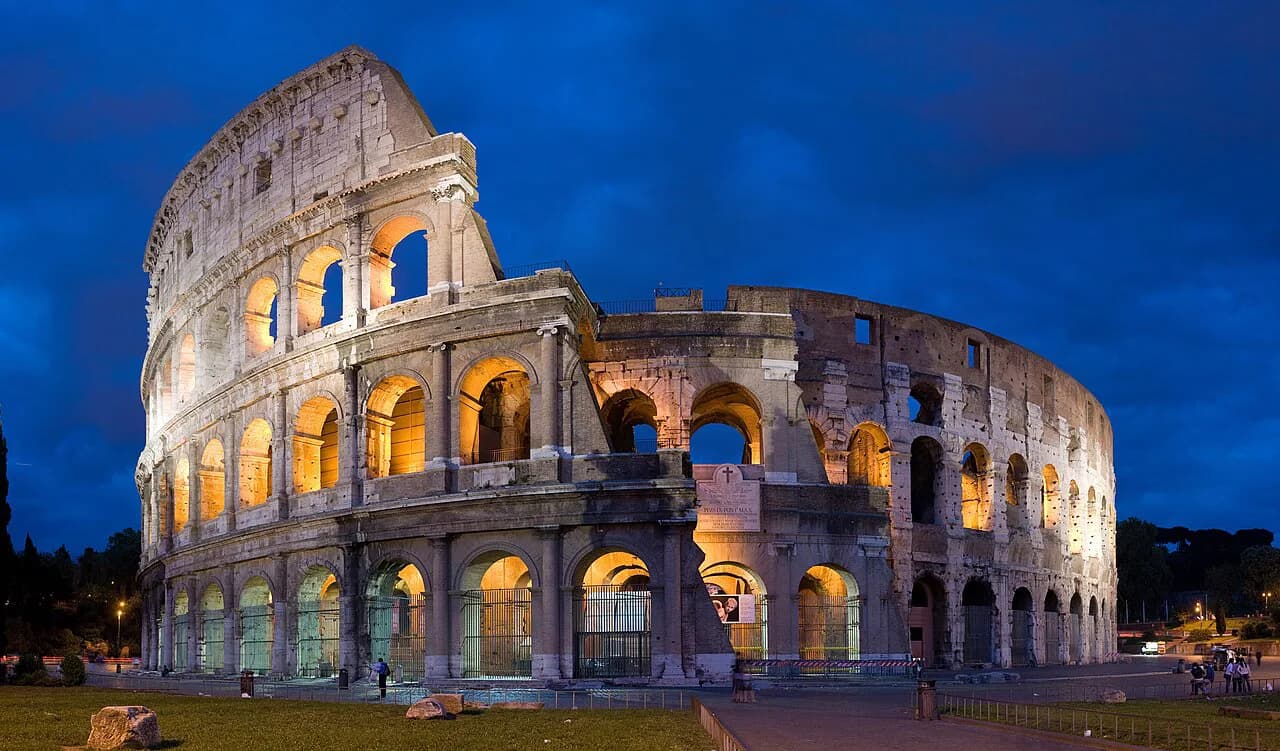
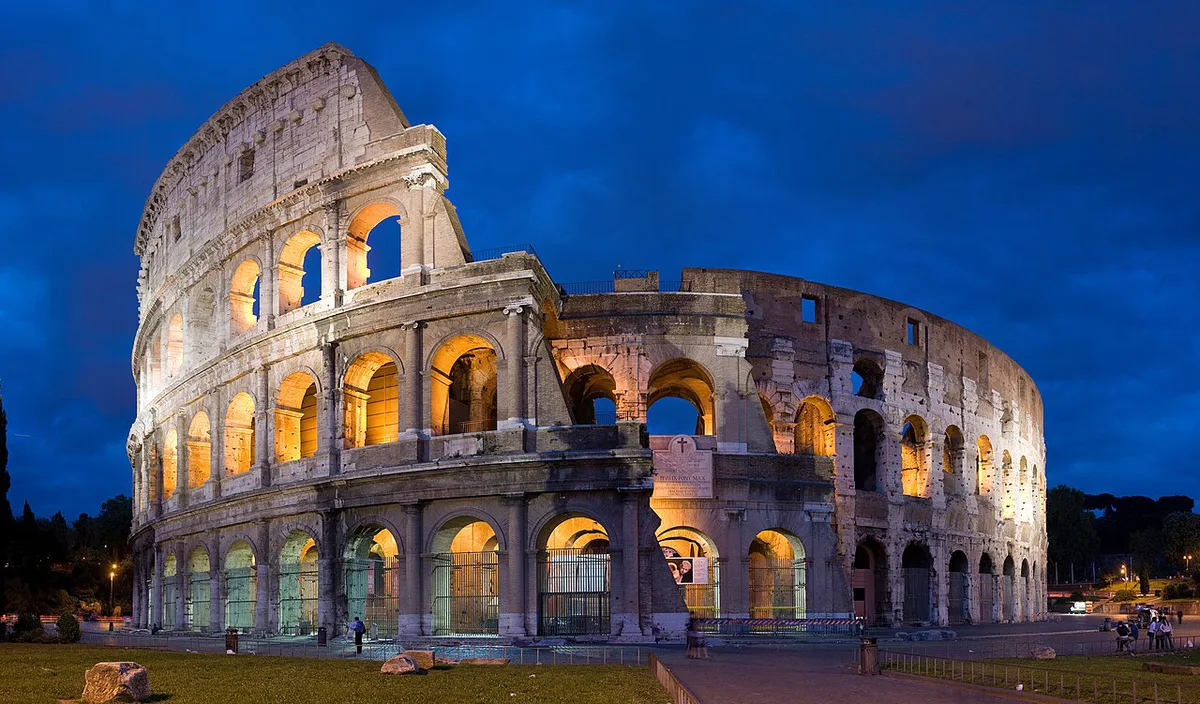
- Colosseum, Roman Forum, and Palatine Hill
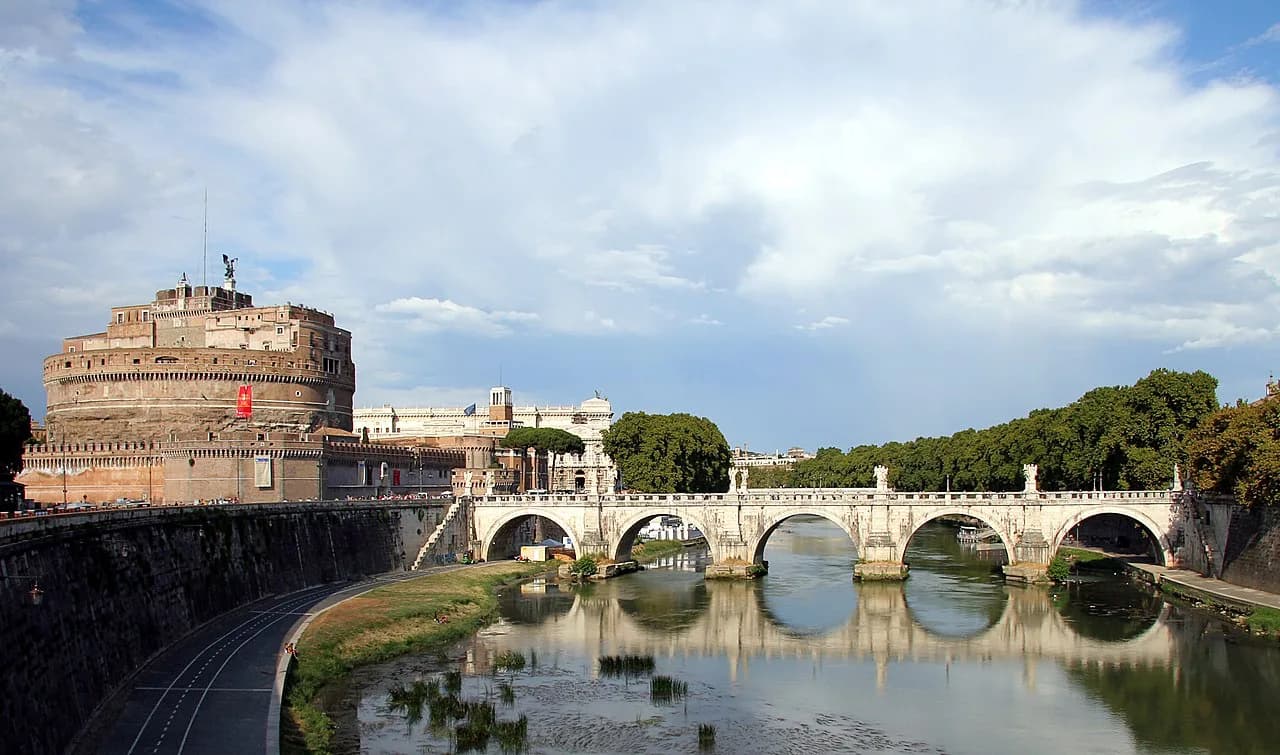
- Castel Sant'Angelo
- Baths of Caracalla
- Trajan's Market
- Galleria Borghese
- Capitoline Museums
- Villa Giulia (Etruscan Museum)
- Palazzo Massimo alle Terme
- Ara Pacis
OMNIA Vatican & Rome Card: The 3-Day Heavyweight
The OMNIA Vatican & Rome Card builds on the Roma Pass benefits. It adds skip-the-line entry to the Vatican Museums and Sistine Chapel, plus a hop-on hop-off bus loop around the city. Taking the shortcut from the Sistine Chapel toward St. Peter's Basilica also skips the security line there. At about €129 for three days, OMNIA costs roughly €70 more than the Roma Pass alone. That premium buys guaranteed Vatican Museums access without a separate ticket purchase, plus the bus loop and a children's discount on top. The Vatican portion often needs a separate physical collection step or app activation, so plan an extra stop before heading to Vatican City. Confirm which activation method applies at the point of purchase, since redemption steps can change.
A 3-Day Rome Itinerary Built Around Your Pass
Sequencing matters as much as which pass gets booked. This order matches free entries and reservations to the sites that need them most.
- Day 1: Ancient Rome. Use the pass's first free entry at the combined Colosseum, Roman Forum, and Palatine Hill ticket. Book the timed entry slot ahead, since a pass does not guarantee availability.
- Day 2: The Vatican and Beyond. OMNIA and Go City pass holders use their Vatican Museums and Sistine Chapel entry today. Roma Pass holders need a separate Vatican Museums ticket, since it is not included.
- Day 3: Art and Atmosphere. Use the pass's second free entry at Galleria Borghese or the Capitoline Museums. Reserve the Galleria Borghese slot early, since entry is timed and capacity-limited.
Transport and Timing: What the Pass Does Not Cover
Standard 3-day passes cover city transport only. None of the Roma Pass, OMNIA, or Go City Rome 3-day tiers include the Leonardo Express train or shuttle buses to Fiumicino (FCO) or Ciampino (CIA) airports. Budget for the airport leg separately in each direction. Avoid activating a pass on a Monday, since many state-run museums and archaeological sites close that day, which can waste one of the free entries. Activating late in the evening also cuts into the first calendar day, since Roma Pass validity still ends at 11:59 p.m. on day three. Rome's Jubilee Year events can add crowds at major sites into 2026, so book Colosseum and Galleria Borghese slots earlier than usual.
Hidden Costs: Reservation Fees and Sold-Out Slots
A free entry on a 3-day pass is not a free reservation. The Colosseum, Roman Forum, and Palatine Hill site, along with Galleria Borghese, require a timed-entry booking on top of the pass.
- Colosseum, Roman Forum, and Palatine Hill: mandatory timed entry, often a €2–€4 booking fee per person.
- Galleria Borghese: mandatory timed entry, limited capacity, book as early as possible.
- A pass does not bypass sold-out status. Popular slots can sell out days ahead in high season.
Is a 3-Day Rome City Pass Worth It?
Add up the pieces before deciding whether a 3-day pass is worth it. For a full line-by-line breakdown, see the Rome city pass worth it analysis. Travelers under 18 usually already get free or reduced entry at major state sites, so a pass adds less value for them. Travelers staying in Centro Storico who plan to walk everywhere also get less from the unlimited transport benefit. For every Rome pass option beyond the 3-day tier, check the 12 Best Rome City Pass Comparisons and Planning Tips overview.
- A Colosseum, Roman Forum, and Palatine Hill ticket, bought separately.
- A Galleria Borghese or Capitoline Museums ticket, bought separately.
- Three days of ATAC transport, bought separately.
- That combined total, compared against the roughly €58.50 Roma Pass rate.
Digital Pass or Physical Card: What to Set Up Before Day One
The three passes use different delivery and activation systems. Check these details before scheduling the first reserved attraction.
The Roma Pass is generally issued as a physical card. It can be collected from participating tourist information points, including locations at Fiumicino, Ciampino, and Via dei Fori Imperiali. Collection does not activate the card. Activation begins when it is first used at an attraction or on ATAC transport.
Go City Rome is normally supplied as a digital pass through its app or as a downloadable pass. Save it to each traveler’s phone before leaving reliable Wi-Fi. A screenshot or printed backup can help if mobile reception fails near an entrance.
OMNIA purchases may combine app-based booking with physical-card collection. The Vatican component and the included Roma Pass can have separate redemption steps. Confirm the assigned collection location and opening hours before traveling to Vatican City.
Do not assume that buying any pass automatically reserves the Colosseum, Vatican Museums, or Galleria Borghese. Complete each required timed-entry booking separately.
Further reading: Rome on Wikivoyage · Rome on Wikipedia
Frequently Asked Questions
Does a 3-day Rome city pass include airport transfers?
No. The Roma Pass, OMNIA Vatican & Rome Card, and Go City Rome 3-day options exclude Fiumicino and Ciampino airport transport. Budget separately for the Leonardo Express or an airport shuttle.
How many days does the Roma Pass actually cover?
The 72-hour Roma Pass covers three calendar days rather than a strict 72-hour window. It expires at 11:59 p.m. on the third day, so an early activation gets more value than a late one.
Do you still need to book the Colosseum with a Rome city pass?
Yes. Passes include free or discounted entry, but the Colosseum, Roman Forum, and Palatine Hill still require a separate timed-entry reservation, often with a small booking fee.
Which 3-day pass includes the Vatican Museums?
The OMNIA Vatican & Rome Card and Go City Rome can include Vatican Museums and Sistine Chapel entry. The standard Roma Pass does not cover the Vatican.
Should you activate a Rome city pass on a Monday?
Avoid it if possible. Many state-run museums and archaeological sites close on Mondays, which can waste one of the pass's free entries.
Free guide: Is the City Pass Worth It?
Our quick-decision checklist for European city passes — the value math, what to watch for in the fine print, and when paying per attraction beats the pass.
You might also like

Continue reading
More guides you'll find useful