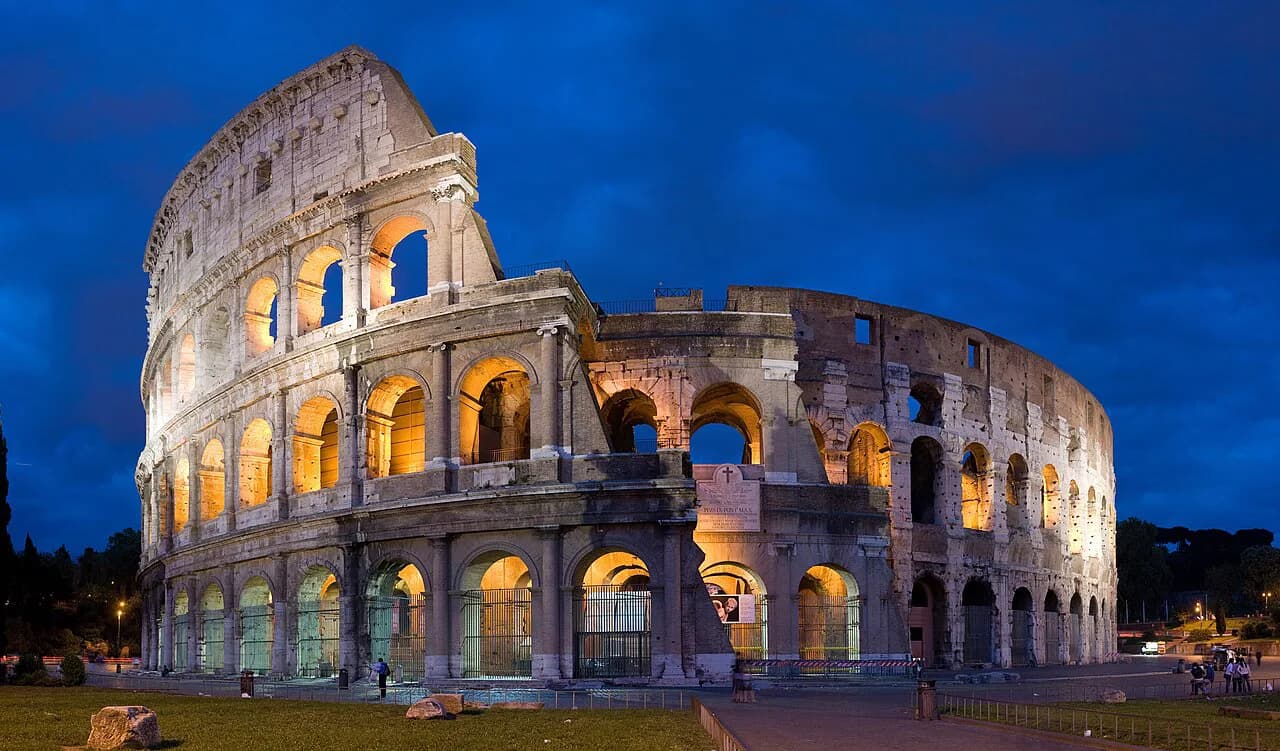
Rome Museum Pass Comparison: Which Card Saves You the Most?
Compare the best Rome museum passes for 2026. Learn about the Roma Pass, Omnia Card, and Go City options, including costs, Vatican access, and booking tips.
On this page
Rome Museum Pass Guide: Comparing the Roma Pass, Omnia Card, and Go City
Last updated July 2026, this guide breaks down every Rome museum pass option worth considering before a Rome trip. The city runs three main systems that cover different combinations of the Colosseum, Vatican Museums, and Galleria Borghese, and picking the wrong one wastes money or a booking slot. This comparison sorts the Roma Pass, Omnia Card, and Go City Rome by what they include, what they cost to activate, and who each one actually suits.
Free guide: Is the City Pass Worth It?
Our quick-decision checklist for European city passes — the value math, what to watch for in the fine print, and when paying per attraction beats the pass.
Quick Verdict: Which Rome Museum Pass Fits Your Trip
Not every visitor needs the same pass. In our editorial assessment, the right choice depends on how many sites are on the itinerary and whether the Vatican is part of the plan.
The Roma Pass's 48 hours and 72 hours validity windows count from first use, not purchase date. Timing first use to when sightseeing actually begins maximizes the value, especially if jet lag delays immediate museum-hopping.
- The Roma Pass suits the art history buff, since its 48- and 72-hour windows favor Rome's own museums and archaeological sites rather than a fixed checklist.
- The Omnia Card suits the first-timer, since it bundles Vatican Museums and Sistine Chapel access with Rome's core city sites plus a hop-on hop-off bus.
- Go City Rome suits the slow traveler, since it lets you pick attractions one at a time instead of committing to a single bundle.
Understanding the Rome Museum Pass Landscape
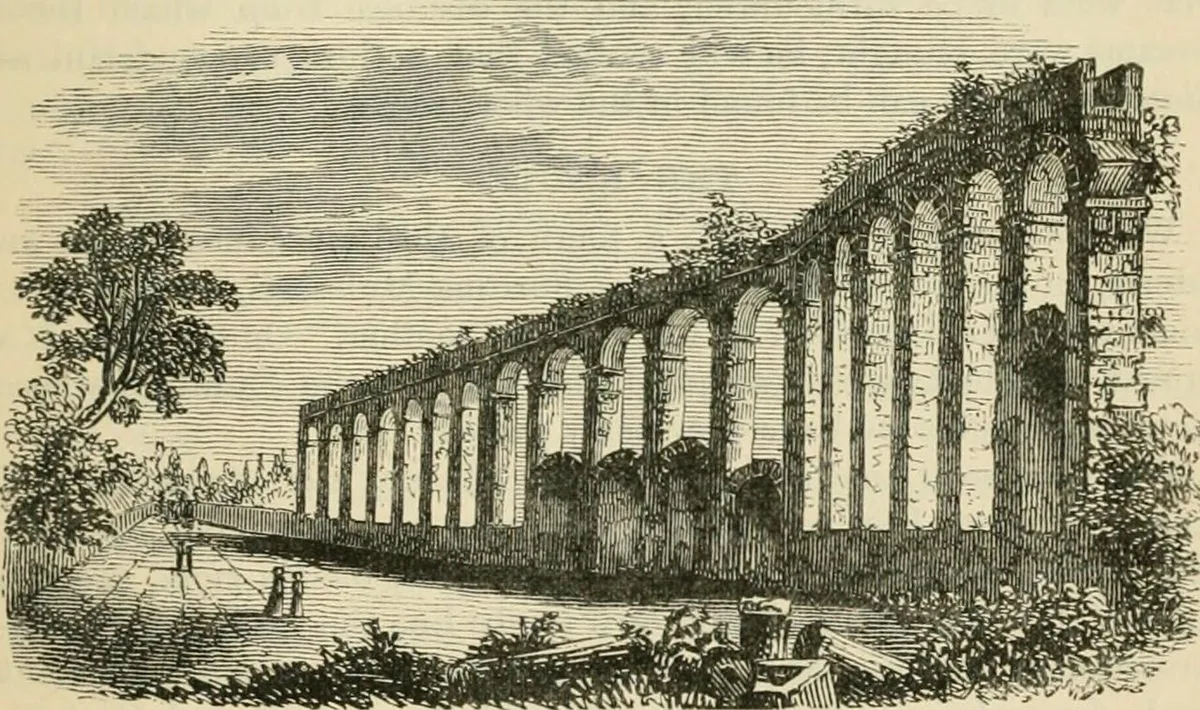
Rome runs on more than one pass system, and none of them covers everything in the city. The official Roma Pass, sold directly by the city of Rome through romapass.it, covers Rome's own municipal and state museums plus ATAC public transport. It does not include the Vatican Museums or St. Peter's Basilica, because Vatican City is a separate sovereign state, not part of the city of Rome. Third-party cards fill that gap. The Omnia Card bundles Vatican access into a fixed multi-day package. Go City Rome instead lets you build your own attraction list. For a broader look at how these all-inclusive city cards compare, see the Rome city pass overview.
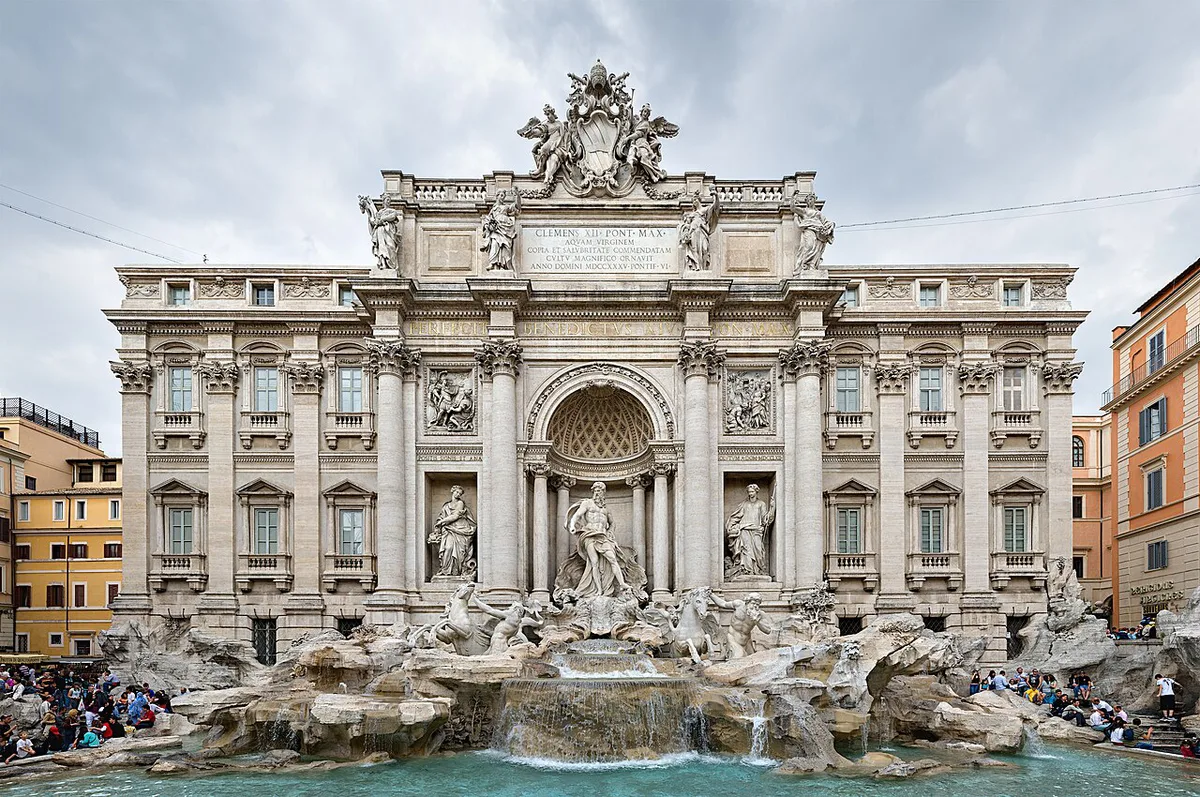
The Official Roma Pass: 48-Hour vs 72-Hour
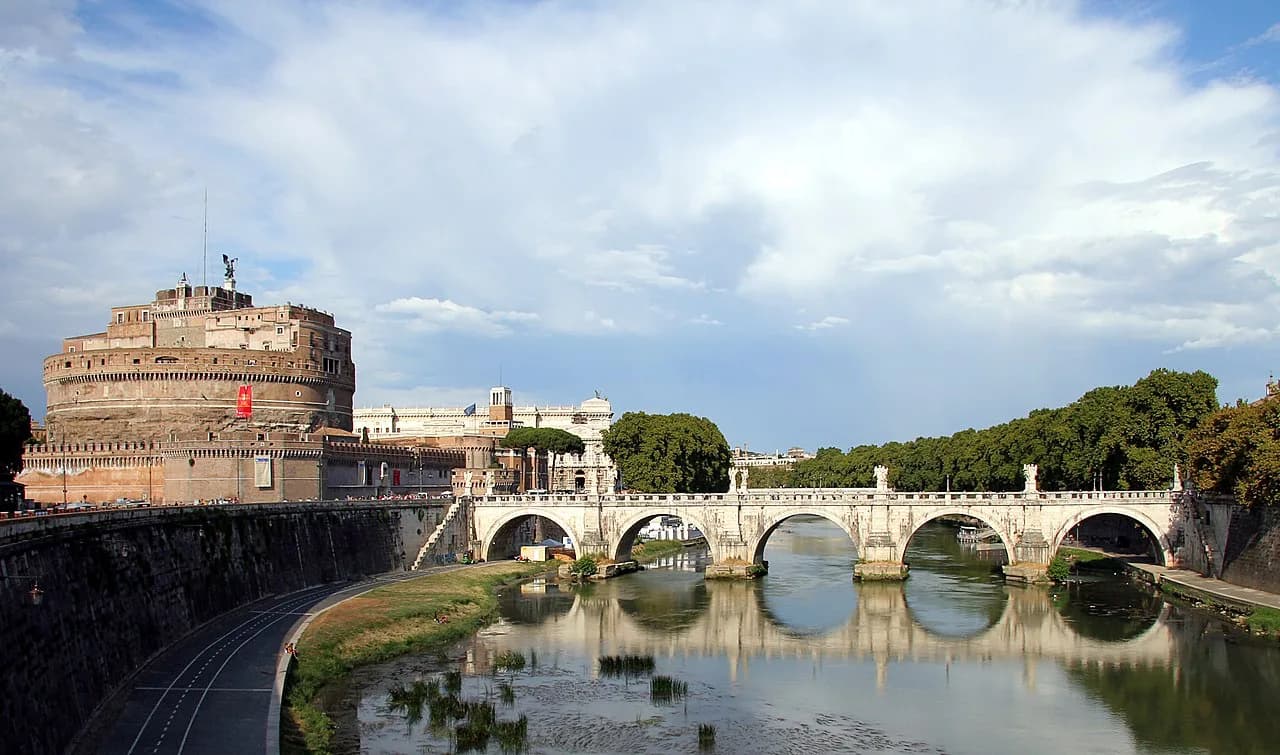
The Roma Pass is Rome's own city card. It centers on Rome's state and municipal museums and archaeological sites, including the Capitoline Museums and Castel Sant'Angelo, rather than the Vatican. It comes in two validity windows: 48 hours and 72 hours, both counted from first use rather than purchase. The entry mechanic is straightforward. Depending on which version you choose, your first entry, or sometimes your first two entries, are included at no extra charge. Every entry after that is discounted rather than free. The pass also includes ATAC public transport for buses, trams, and the metro across its full validity window. For a closer look at the 72-hour version against the Omnia Card, see the 72-hour Rome city pass breakdown. Confirm current pricing before booking, since Roma Pass rates are adjusted periodically.
The 72-hour Roma Pass's extra cost is justified only if your itinerary includes enough of Rome's museums, archaeological sites, and transit time to fill all three days. The less-expensive 48-hour version typically covers shorter Rome visits instead.
The Omnia Card: Vatican Access Plus Hop-On Hop-Off
The Omnia Card exists to solve the Roma Pass's biggest gap: the Vatican. It bundles Vatican Museums and Sistine Chapel access with Rome's core city sites in one package. Most versions also add a hop-on hop-off bus route, useful for covering the distance between central Rome and Vatican City without relying on the metro. That combination suits travelers who want one purchase to cover both halves of Rome sightseeing. It saves buying separate Vatican tickets on top of a city pass. Multi-day validity options exist, so compare Omnia's day count against your itinerary length before choosing.
Go City Rome: The Attraction-Based Alternative
Go City Rome works differently from either city-run pass. Instead of one fixed bundle, it lets you choose a set number of attractions from a larger list and use them over a set number of days. That structure suits travelers whose itinerary mixes museums with non-museum attractions, like day tours or river cruises. It fits better than a fixed checklist covering the Colosseum, Vatican, and Galleria Borghese back to back. Because the entry set is flexible, it can work out cheaper than the Roma Pass or Omnia Card for a light sightseeing schedule, and more expensive for a dense one. See the Go City Rome pass guide for the current attraction list and pricing tiers.
Side-by-Side Comparison: Cost, Inclusions, and Validity
Here's how the three main options compare on the details that matter most. Exact current prices for each option are tracked on the 2026 Rome city pass price page. Rates for all three passes update independently of each other.
| Pass | Vatican & Sistine Chapel | Public Transport | Validity | Best Fit |
|---|---|---|---|---|
| Roma Pass (official) | Not included | ATAC included | 48 or 72 hours | Art history buffs sticking to Rome's own sites |
| Omnia Card | Included | Included plus hop-on hop-off bus | Multi-day | First-timers who want the Vatican bundled in |
| Go City Rome | Depends on attractions chosen | Not typically included | Flexible, pick-your-days | Slow travelers building a custom attraction list |
Reservations You Cannot Skip: Colosseum, Borghese, and the Vatican
Owning a pass does not guarantee entry at a specific time. Several of Rome's busiest sites require a separate timed-entry reservation even when a pass already covers admission.
- Colosseum: book a timed-entry reservation through the official Parco Archeologico del Colosseo system as soon as travel dates are set. A separate reservation fee typically applies on top of admission your pass already covers, so confirm the current amount before booking.
- Galleria Borghese: entry is timed-slot only, regardless of pass type, and slots are limited, so book weeks ahead.
- Vatican Museums and Sistine Chapel: relevant only for Omnia Card holders, since the Roma Pass excludes the Vatican entirely. Confirm current entry requirements on the official Vatican Museums site.
Is a Rome Museum Pass Worth It? Sample 3-Day Math
A three-day Rome itinerary is the clearest test case for any pass math. If your itinerary covers mostly Rome's own museums and archaeological sites, plus a couple of ATAC rides daily, the Roma Pass math tends to favor the pass. If even one of those three days includes the Vatican Museums, the Omnia Card usually changes the comparison, since Vatican tickets bought separately typically cost more than the pass's per-day cost. For the full worked comparison across different itinerary mixes, see the Rome city pass value breakdown. Check current pass rates before running your own math, since prices shift year to year.
Where to Buy and How to Activate Your Pass
How you receive a Rome museum pass affects trip-day-one logistics. The Roma Pass can be picked up in person at Punti Informativi Turistici (PIT) tourist information points around Rome, per the official Roma Pass site, or activated digitally depending on the current purchase option. Omnia Card and Go City Rome purchases are typically completed online in advance. Confirm the current activation method, app-based voucher or physical card, on each provider's official checkout page before travel. Whichever pass you choose, activation usually starts the validity clock immediately. Time your first use to when sightseeing actually begins, not your arrival day, especially if jet lag delays museum-hopping.
Common Mistakes to Avoid With a Rome Pass
A few recurring mistakes cost travelers time or money on a Rome museum pass trip.
- Buying the Roma Pass expecting Vatican access: it's excluded because Vatican City is a separate state from Rome.
- Activating the pass before finalizing museum reservations: sites like the Colosseum and Galleria Borghese need booked timed slots regardless of pass ownership.
- Choosing 72 hours by default: the 48-hour version costs less and fits many two-day museum schedules just as well.
- Skipping the ATAC transport already included with the pass: many travelers default to taxis or rideshare out of habit, even though transit is already paid for.
- Skipping the Omnia Card vs. Go City Rome comparison: one bundles the Vatican, the other lets you build your own list, and the right fit depends on your itinerary.
When the Roma Pass Transport Benefit Is Worth Using
The Roma Pass includes travel on Rome’s ATAC network during the card’s active 48-hour or 72-hour period. This benefit matters most when an itinerary extends beyond the compact historic center.
Metro Line A is useful for reaching Ottaviano near the Vatican, although Vatican admission remains excluded. Metro Line B serves Colosseo, while buses and trams help with less direct journeys to museums and residential districts.
- Walking may be faster between the Pantheon, Trevi Fountain, Piazza Navona, and the Capitoline Museums.
- ATAC transport becomes more valuable when combining central sights with Galleria Borghese or attractions outside the pedestrian core.
- The Leonardo Express and other Fiumicino Airport rail services require separate tickets.
Do not activate the pass merely for an airport transfer or a short evening ride. The validity clock begins with first use, so activation should match the first full sightseeing period. Travelers planning only central museums should compare the pass against individual admission tickets and ordinary ATAC fares.
For trip-planning details, see Rome - Wikivoyage and Rome - Wikipedia.
Frequently Asked Questions
Does the Roma Pass include the Vatican Museums?
No. The official Roma Pass covers Rome's own state and municipal museums and archaeological sites, not the Vatican Museums or St. Peter's Basilica. Vatican City is a separate sovereign state, so its sites sit outside the Roma Pass entirely. Travelers who want Vatican access bundled with Rome's city sites should look at the Omnia Card instead.
How do you book the Colosseum with a Rome museum pass?
Owning a pass does not automatically reserve a Colosseum time slot. Book a timed entry through the official Parco Archeologico del Colosseo reservation system as soon as travel dates are confirmed, since slots fill up well before peak season. A separate reservation fee typically applies on top of the admission your pass already covers.
Is the 72-hour Roma Pass worth it in 2026?
It depends on how many sites fit into those three days. If the itinerary includes enough of Rome's own museums, archaeological sites, and ATAC transit to use the extra day fully, the 72-hour version tends to pay off over the 48-hour one. Compare both against a specific day-by-day plan before deciding.
Can you use a Rome museum pass for the Leonardo Express train?
Generally, no. Rome museum passes typically include ATAC's city buses, trams, and metro, not regional airport rail. Check the specific pass's transport inclusions before relying on it for the Leonardo Express, since airport transfers are usually a separate ticket.
What's the difference between the Omnia Card and the Roma Pass?
The Roma Pass is Rome's own city card and does not include the Vatican. The Omnia Card bundles Vatican Museums and Sistine Chapel access with Rome's core sites and typically adds a hop-on hop-off bus route. Choose the Roma Pass for a Rome-only itinerary and the Omnia Card if the Vatican is on the list.
Free guide: Is the City Pass Worth It?
Our quick-decision checklist for European city passes — the value math, what to watch for in the fine print, and when paying per attraction beats the pass.
You might also like

Continue reading
More guides you'll find useful